A friend of mine manages a small medical office over in Carmel. A few months back, they got a polite-but-firm letter from the city saying their parking lot markings didn't meet current ADA standards and the lines were so faded that cars were just... guessing. She panicked a little. You would too, imagining the cost and the headache of shutting down patient parking. But after a quick call to a local contractor—someone who actually measured the lot, not just threw out a number—she had a clear plan, reasonable price, and her lot looked brand new in a day. That's the kind of parking lot refresh we're talking about. Not a full repave, not a year-long project, but a smart, targeted update that makes everything clean, safe, and compliant without breaking the bank.
The thing is, a "parking lot refresh" can mean different things depending on who you ask. So let's get specific. At its core, you're looking at restriping all the stall lines, repainting stencils like handicap symbols and arrows, touching up curbs and wheel stops, and sometimes going a step further with sealcoating or minor layout fixes. For most lots in places like Fishers or Greenwood, it's the difference between a tired, faded mess and a crisp, professional first impression.
Costs get talked about in broad ranges online, and that's because every lot is different. The typical parking lot refresh cost in Indianapolis lands somewhere between a few hundred bucks for a very small, simple lot to several thousand for a bigger commercial property. But let's break that down so you know what you're actually paying for.
What's actually in a refresh?
The basics: lines, stencils, and symbols
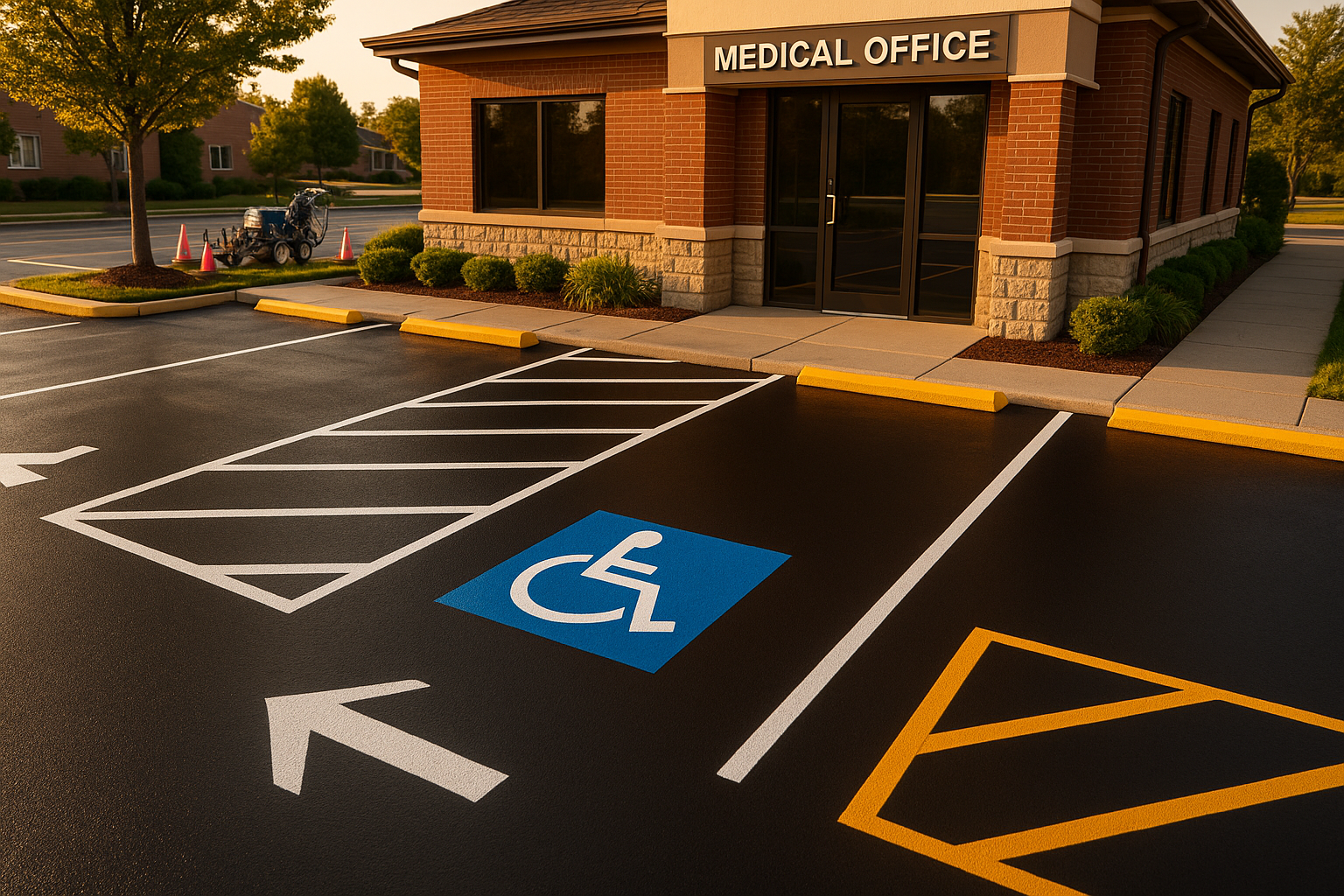
When people say "restripe my lot," they're usually imagining fresh white or yellow lines on the asphalt. That's the biggest visual change, and it's priced per stall or per linear foot. Simple repainting of existing lines (same layout, same positions) is the cheapest option. But if you need new stall layouts—maybe you want to add a couple of compact spaces, or fix a weird angle that causes door dings—that takes more work. New layout striping costs more because the crew has to measure, chalk out, and sometimes remove old markings.
Stencils are the other big visual: arrows, "NO PARKING," numbers, and those blue handicap symbols. They're priced individually, and they add life and organization to the lot. We'll get to exact numbers in a bit.
When you need more than paint
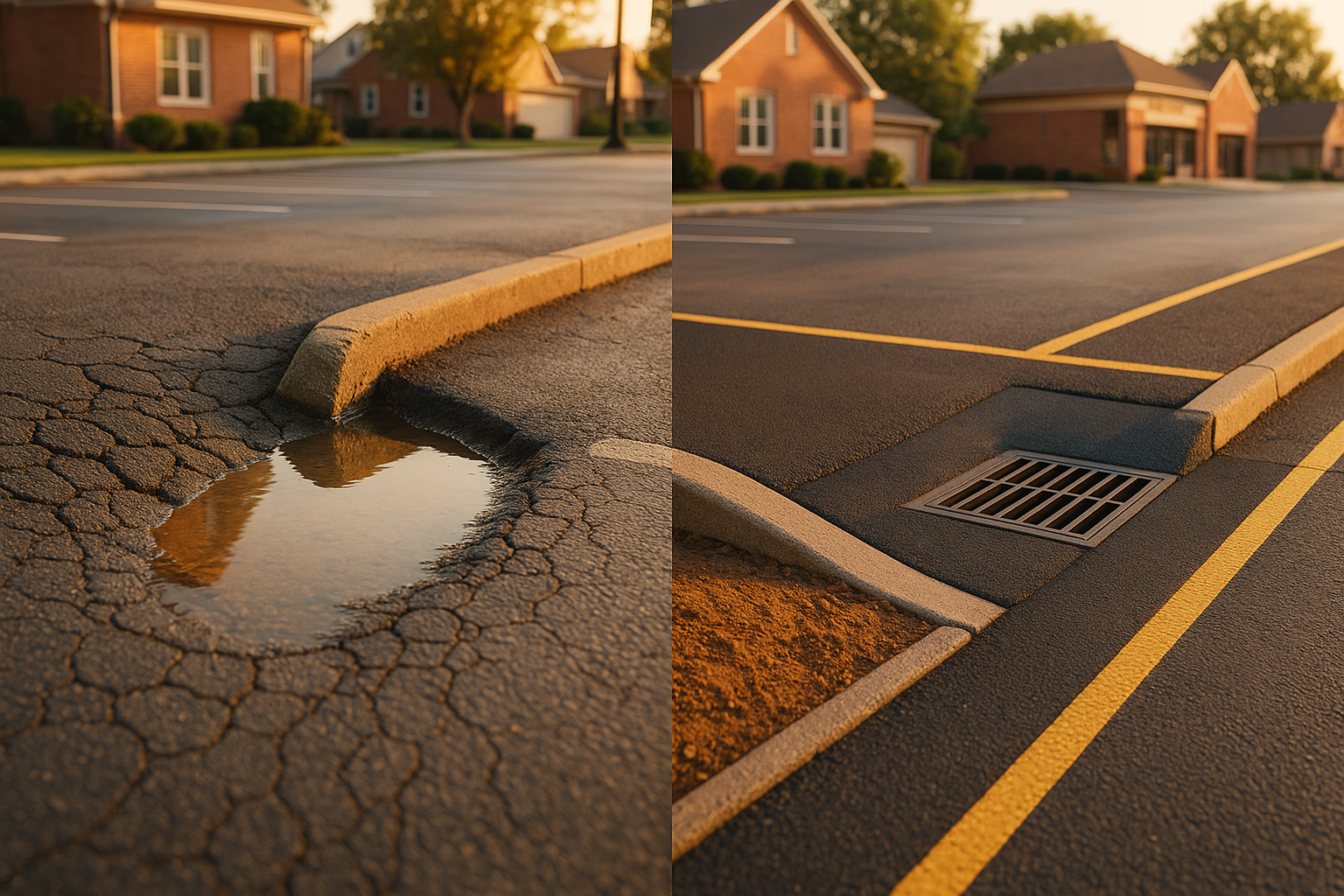
A refresh often uncovers small cracks or surface wear. If the asphalt is still solid, a coat of sealant before striping can make those fresh lines pop and protect the pavement from our Indiana freeze-thaw cycles. You can bundle sealcoating and striping, which saves on mobilization (the cost of getting equipment and crew to your site) and usually gets you a better per-square-foot deal. Some facilities like churches in Zionsville or retail pads in Avon choose to do a full seal and stripe every few years—it keeps the lot looking new and prevents bigger problems. We've written more about that here: sealcoating vs. doing nothing. And if you're wondering how often to schedule that refresh, check out this guide on sealcoat frequency.
What drives up the bill?
A parking lot refresh cost has a handful of clear influencers. Knowing these helps you budget smarter and avoid sticker shock.
Size and layout
A small 20-stall lot for a dental office is a morning job. A 200-stall retail lot with multiple islands and angled parking takes a crew a couple days, especially if you need night work to keep the business running. More stalls, more linear feet of stripe, more stencils—it all adds up. Got a weird-shaped lot behind a strip mall in Broad Ripple? That might take extra measuring time.
Paint choices and durability
Trust me, nobody wants to redo this every year because the paint washed away after one salty winter. In Indiana, we recommend waterborne acrylic paint with a good mil thickness—it holds up better than cheap solvent-based stuff. You can add reflective glass beads for nighttime visibility, which matters for apartments or medical offices with evening hours. If you want the longest-lasting option, thermoplastic markings are tougher against snowplows and salt, but they cost more upfront. We break down the trade-offs in this post: parking lot striping cost breakdown.
Timing and access
If we can come during a weekday when the lot is low-traffic, that's the ideal. But if you need us to work at night or on a weekend—common for shopping centers and restaurants—there's a premium, usually 10–20%. Phased work (doing half the lot one day, the other half the next) also adds cost because we're setting up barricades and traffic control multiple times. Still, it's often worth it to keep your business accessible.
How much does a refresh really cost in Indianapolis?
Alright, let's talk numbers. These are real-world ranges for our market in 2024, based on local material costs and labor. Remember, these are per-unit estimates—your total depends on your lot.
- Restripe an existing stall: $4–$7 each.
- New layout (striping from scratch): $8–$12 per stall.
- Straight line striping: $0.20–$0.35 per linear foot.
- Arrow stencil: $20–$45 each.
- ADA handicap symbol: $25–$60 each.
- Curb or wheel stop painting: $1–$2 per linear foot.
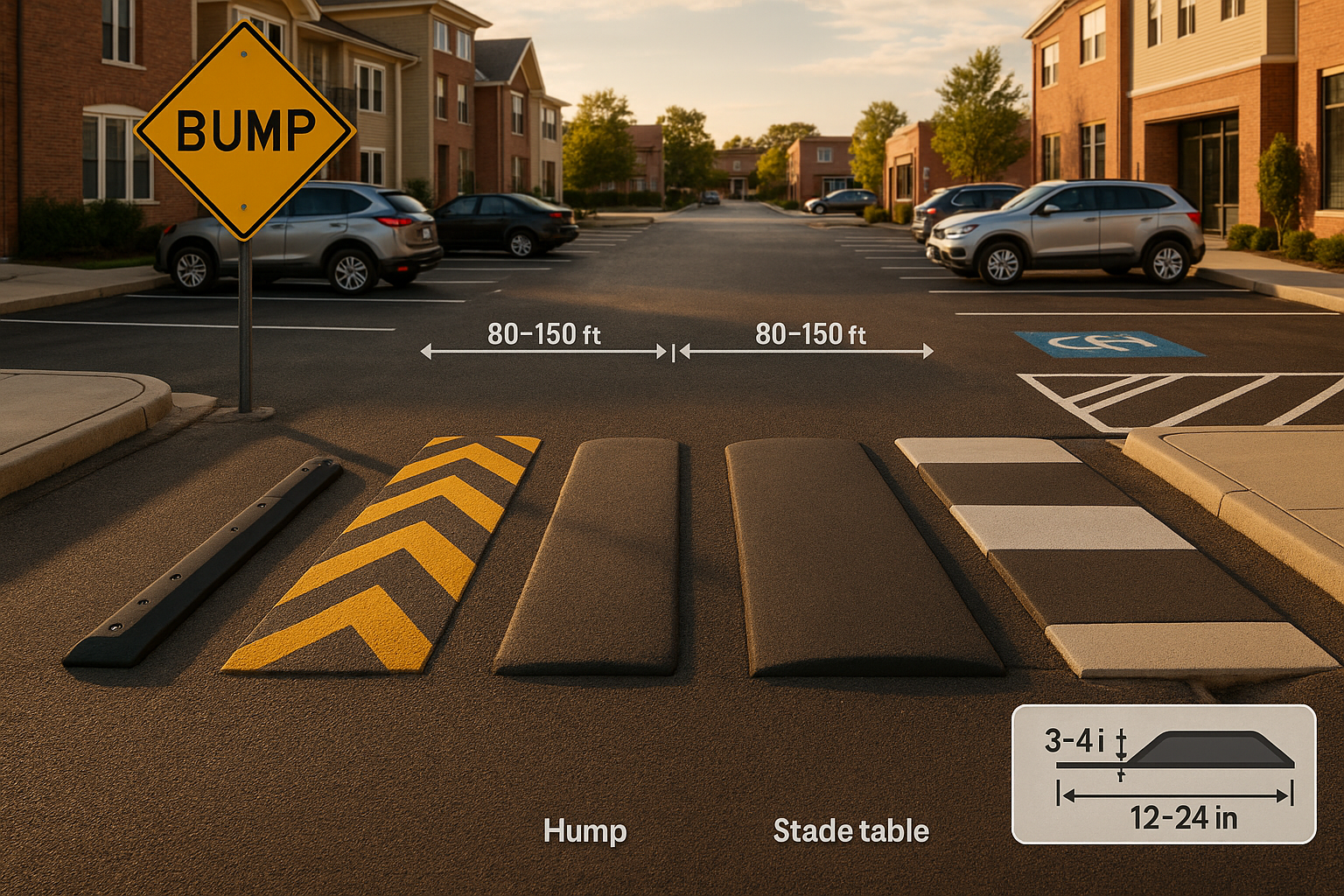
- Wheel stop install or anchor (if needed): $45–$85 each.
- Sealcoating (as part of refresh): $0.18–$0.35 per square foot.
- Power washing (if the surface is grimy): $0.08–$0.15 per square foot.
- Mobilization fee: $150–$350 per trip (can be reduced if you combine services).
- Night or weekend work: add 10–20% to the total striping cost.
So, a typical 50-stall lot needing a full refresh with new lines, arrow stencils, two ADA spaces updated, and some curb painting might land around $800–$1,500, depending on condition and paint choices. A larger lot with sealcoating could push $3,000–$5,000. The only way to get a firm number is to have someone measure and walk the property—every lot has its quirks. (We've seen old paint that won't come up, drainage dips, and concrete islands that need special attention.)
Keeping things legal (without losing sleep)
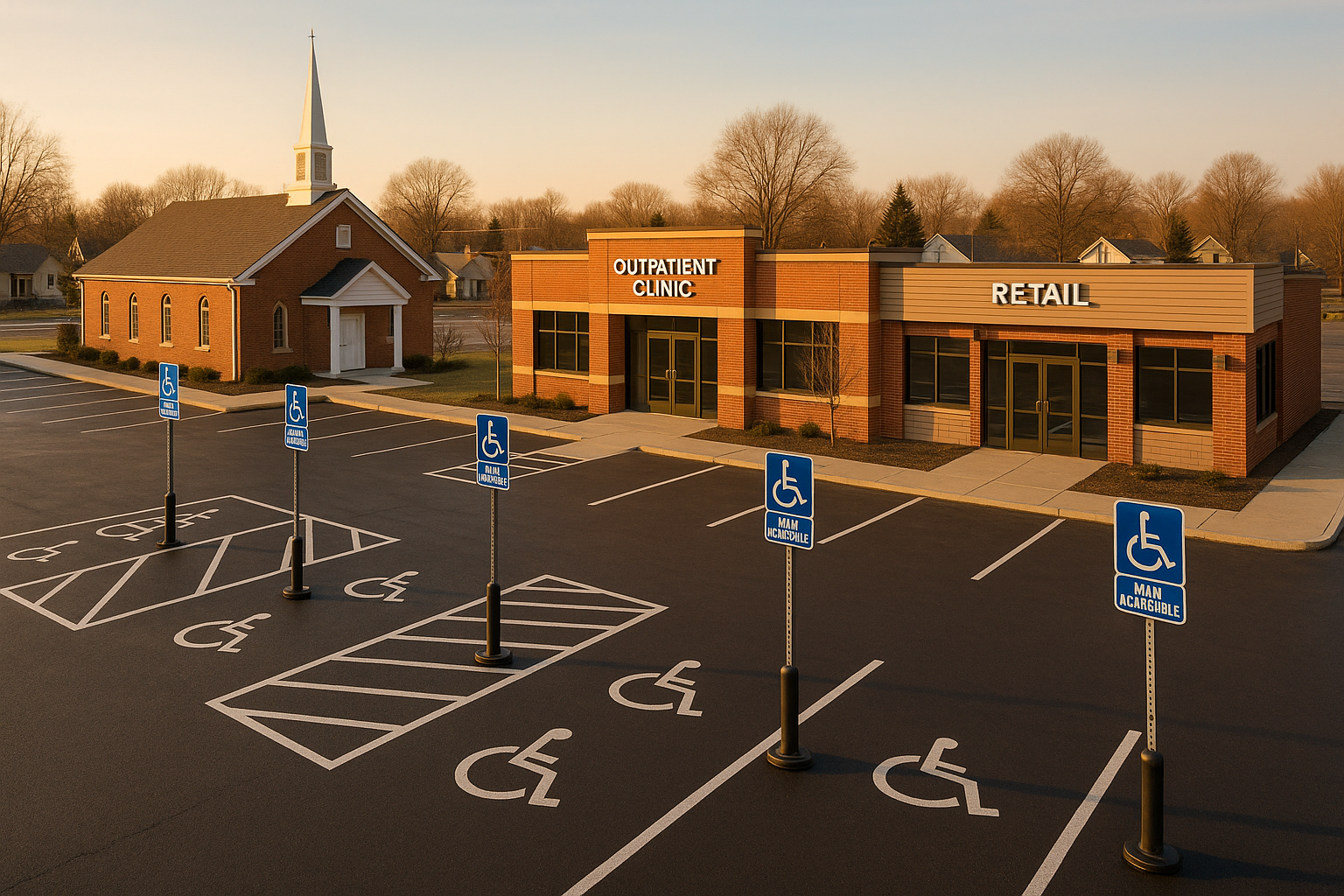
ADA compliance isn't optional, and in Marion County, inspectors will check. You need the right number of handicap stalls (based on your total parking count), the correct van-accessible aisles, proper sign heights, and contrasting colors. If your lot still has the old-style "handicap" wording instead of the blue symbol, you might get a notice. Updating these during a refresh is smart because it costs less to do it all at once. For a deep dive on Indiana ADA requirements, read this: ADA parking requirements in Indiana. A good contractor will include an ADA check in their quote, not as an upsell but because they don't want you getting fined.
Will it survive a Hoosier winter?
Short answer: yes, if done right. The freeze-thaw action here is brutal—water seeps in, freezes, expands, and pops the paint right off if the surface wasn't prepped. But proper cleaning, good adhesion promoters, and a thick enough paint layer make a big difference. Add glass beads, and your lines stay visible even under slushy snow at night. Plan to refresh every 2–3 years for a busy lot, maybe 3–5 for a quieter one. It's part of an asphalt maintenance schedule that saves you from bigger repairs.
Don't let hidden fees bite you
We've heard from people who got a low estimate and then saw line items for "mobilization," "traffic control," and "debris removal" pile up. Before you say yes, ask: Does the quote include barricades and cones? Is there a separate fee for bringing equipment? Can you reduce costs by clearing vehicles off the lot yourself? A transparent contractor will walk you through all this. At PavementPros, we handle everything from a detailed site map to final walk-through, and we don't hide the small stuff.
Ready to see what your lot would cost? The easiest next step is to send us a few photos and your stall count through our quote form. We'll measure up, run the numbers, and give you a line-item price that won't mysteriously grow. If you're in Indianapolis, Carmel, Fishers, Zionsville, Westfield, Noblesville, Greenwood, Brownsburg, Avon, or Plainfield, we've probably striped a lot just like yours. Let's make it sharp and safe—without the panic.
Ready for a free lot assessment?
We walk the lot, photograph the problems, and hand you a written plan — no pressure, no obligation.